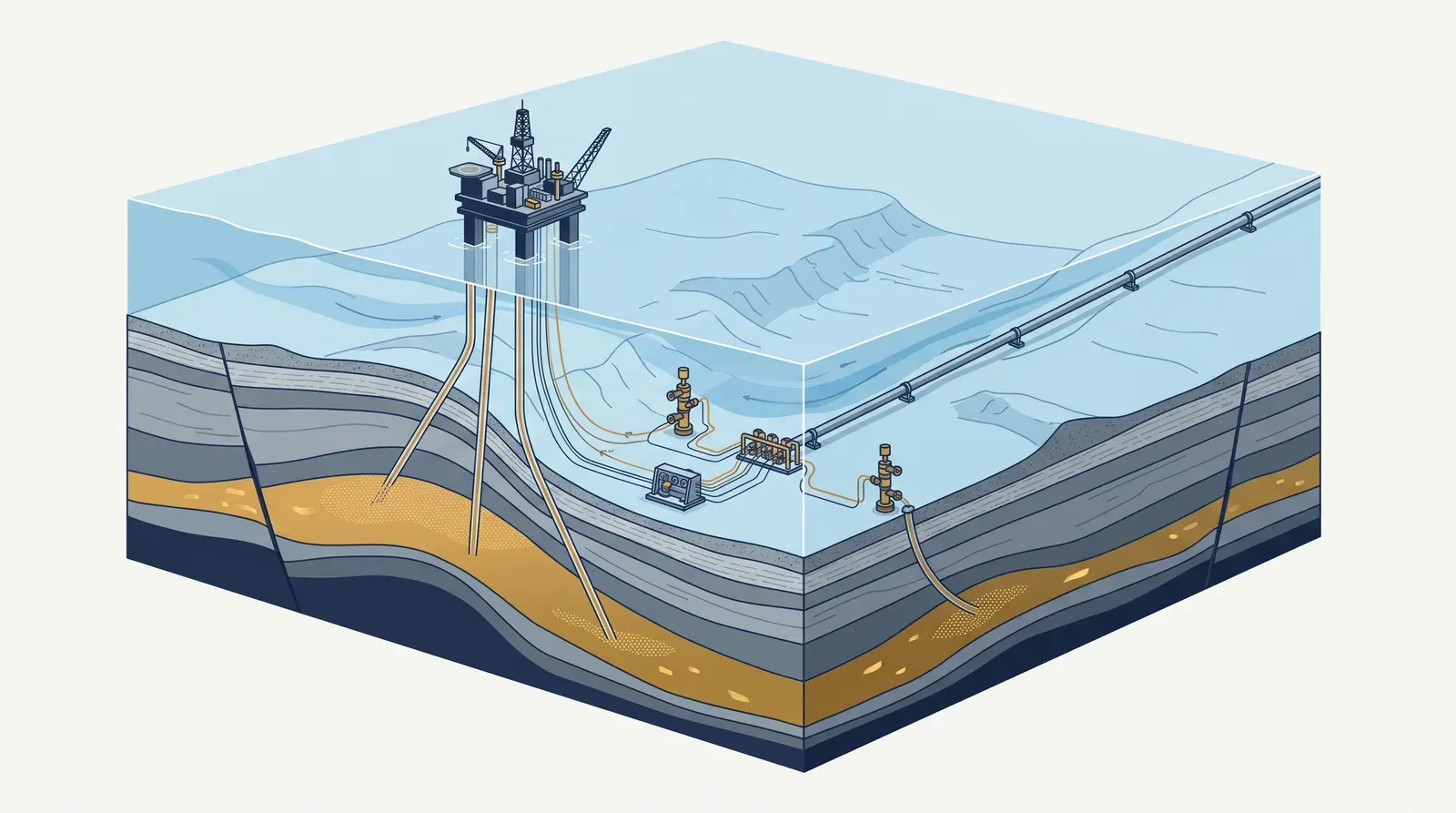
All News Cyprus Mail · March 31, 2026 (Mar 31) · 1 min read First natural gas now estimated to hit market in 2029-30 Aphrodite Block 12 Illustration: Aphrodite Read on Cyprus Mail Share: More on Aphrodite Full profile: Aphrodite Shell to sell BG Cyprus and Aphrodite gas stake to MOL Group Shell has entered into a definitive agreement to divest its wholly-owned unit BG Cyprus, which holds its 35% participating interest in Block 12 and the Aphrodite natural gas discovery, to Hungary's MOL Group for a headline consideration of up to $720 million. This portfolio rationalization marks Shell's exit from the Cypriot upstream sector while introducing an ambitious Central European energy player into the Eastern Mediterranean offshore basin. The transaction reshapes the joint venture dynamics of the long-delayed Aphrodite development as stakeholders work toward final investment decisions. Offshore Technology · August 3, 2026 MOL buys Shell stake in Cyprus gas field for $720m Hungarian energy group MOL has executed a major upstream expansion by acquiring Shell's 35% non-operated working interest in the Aphrodite gas field offshore Cyprus for $720 million. The transaction marks the exit of a Western supermajor from the asset while introducing a Central European player eager to diversify its hydrocarbon reserves. This portfolio realignment injects fresh commercial momentum into a long-stalled development that holds strategic value for Eastern Mediterranean gas export architecture. Splash247 · August 3, 2026 Shell exits Cyprus Aphrodite gas field in $720m deal Cyprus Mail · July 31, 2026 MOL to acquire Shell’s Aphrodite gas field stake for up to $720m In-Cyprus · July 31, 2026 Aphrodite Group Secures MOU for Sale of Cypriot Gas to Egypt Rigzone · July 24, 2026 All signatures secured for Aphrodite gas sales MoU with Egypt Cyprus Mail · July 22, 2026 View all news → ← Previous EU ‘exposed to external price volatility’ in energy Next → India Boosts Diesel Exports to Southeast Asia to 7-Year High