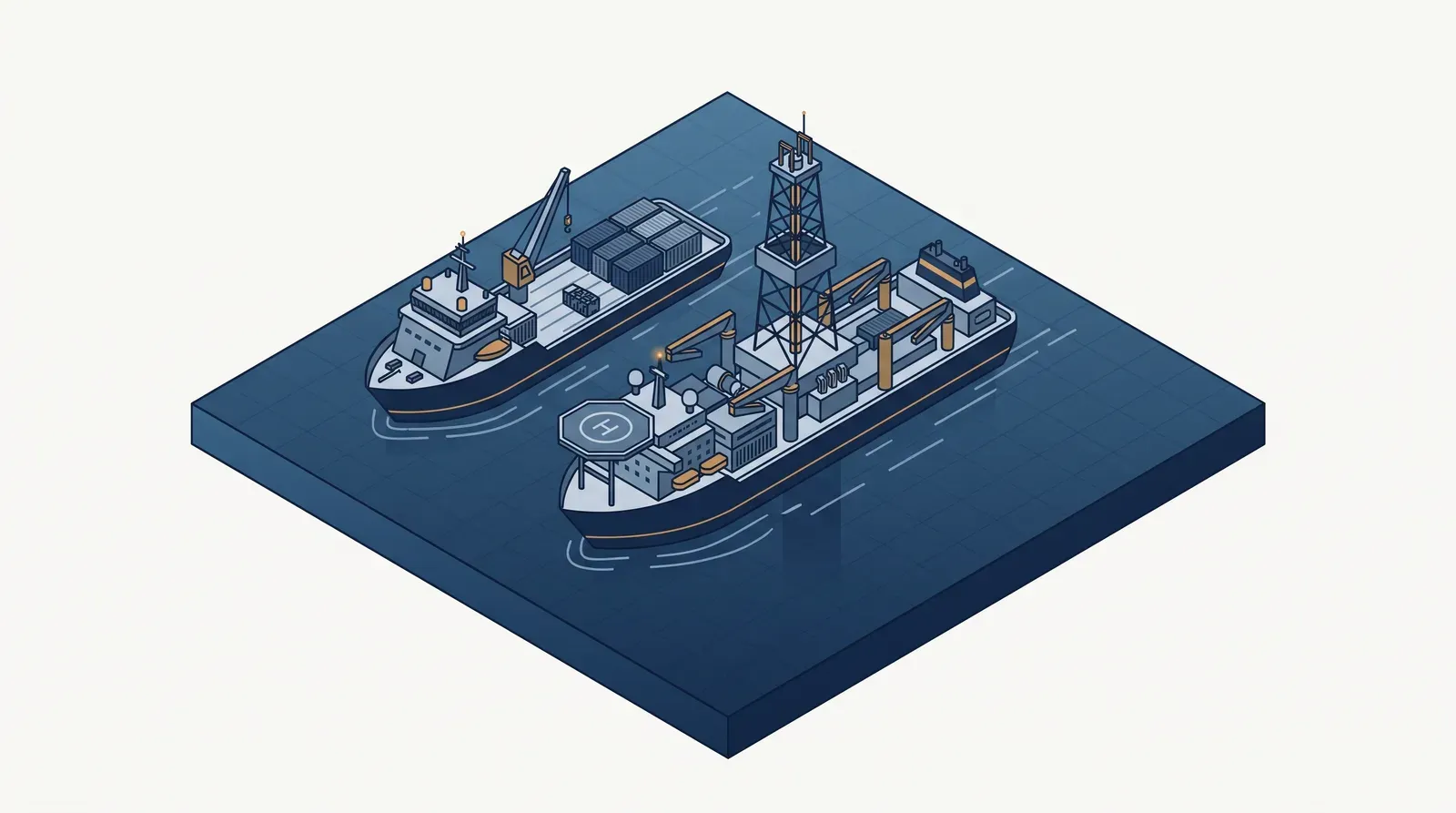
All News Offshore Energy · May 5, 2026 (May 5) · 1 min read Petrobras, Shell, TotalEnergies, and Petrogal formalize production split for Brazilian oil field duo Shell plc TotalEnergies SE Illustration: Shell plc Read on Offshore Energy Share: More on Shell plc Full profile: Shell plc Equinor to Boost Troll Gas Output with $412 Million Subsea Development Equinor and its joint venture partners have sanctioned a $412 million (NOK 4.5 billion) investment in the Troll Phase 3 Stage 2 project to sustain high-volume gas exports to Europe. This subsea infrastructure expansion targets the massive Troll West structure, aiming to accelerate production and maintain plateau delivery levels from Europe's most critical gas field. The decision underscores Norway's solidified role as Europe's primary energy guarantor following the loss of Russian pipeline imports. OilPrice · June 19, 2026 Up to $420 million investment in North Sea subsea project unleashing more European gas Equinor and its partners have committed over $410 million to a new subsea tie-back project in the Norwegian North Sea, aiming to extract incremental gas volumes from a mature asset. This investment highlights the ongoing industry trend of infrastructure-led exploration and development (ILX) to maximize recovery from existing hubs. By utilizing existing subsea infrastructure, the consortium is prioritizing low-cost, low-carbon barrels to sustain Europe's energy security in a post-pipeline Russian gas era. Offshore Energy · June 19, 2026 BP Joins Shell and TotalEnergies in Namibia's Offshore Rush OilPrice.com · April 13, 2026 Brazil Court Lifts Export Tax for Select Oil Firms Offshore Engineer · April 9, 2026 Oil Majors Eye US Gulf Deepwater Field Stake Offshore Engineer · April 6, 2026 Global Energy Markets in Crisis as War Chokes Supply Chains OilPrice.com · March 13, 2026 View all news → ← Previous Shell and Kosmos put US Gulf hydrocarbon prospect on their 2027 drilling agenda Next → Gasoline Prices Jump Across All 50 States