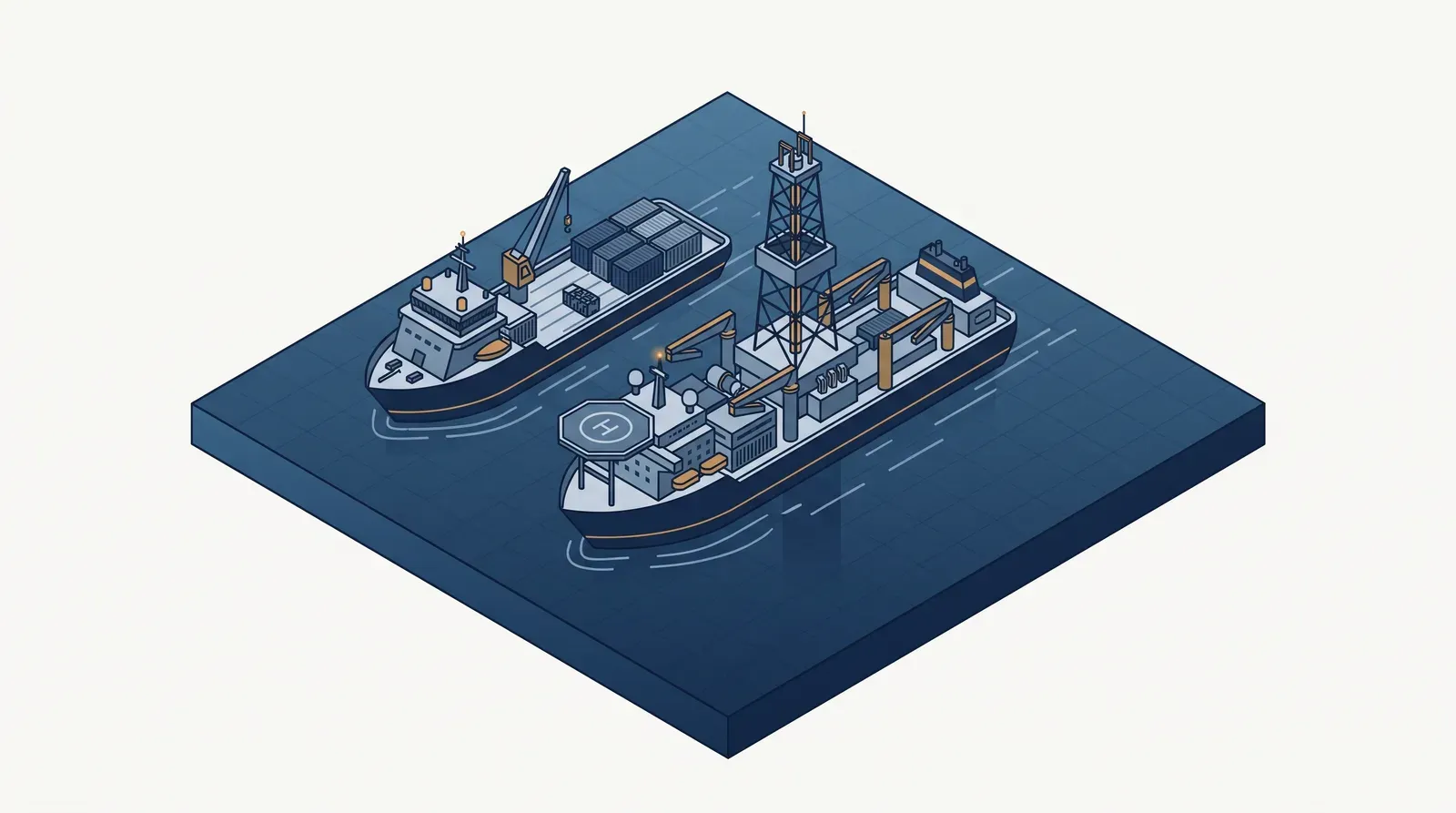
All News Cyprus Mail · June 16, 2026 (Jun 16) · 1 min read Chevron sees Cyprus as key to East Mediterranean energy Chevron Corporation Aphrodite Illustration: Chevron Corporation Read on Cyprus Mail Share: More on Chevron Corporation Full profile: Chevron Corporation Aphrodite Group Secures MOU for Sale of Cypriot Gas to Egypt A pivotal commercial milestone has been achieved for Cyprus's inaugural offshore gas discovery through a trilateral memorandum of understanding between the Aphrodite consortium, the Cyprus Hydrocarbons Company (CHC), and the Egyptian Natural Gas Holding Company (EGAS). The framework formalizes intentions to transport 100 percent of the reservoir's production directly to Egypt via a subsea pipeline for domestic consumption and LNG re-export. This agreement marks critical alignment between Nicosia, Cairo, and upstream operators, establishing the primary export route required to transition the stranded deepwater asset toward a final investment decision. Rigzone · July 24, 2026 Worley secures contract from Chevron for Aphrodite gas field FEED Worley has secured a significant contract from Chevron Cyprus to undertake the Front-End Engineering Design (FEED) and procurement services for the Aphrodite Field Development Project. This crucial development marks a tangible step forward for the long-awaited offshore gas field, signaling Chevron's commitment to advancing the project towards a final investment decision. The move is a positive indicator for the monetization of Cyprus's natural gas resources and the broader Eastern Mediterranean energy landscape. Offshore Technology · March 13, 2026 Worley to Deliver FEED, Procurement Services for Chevron’s Aphrodite Gas Field Offshore Engineer · March 13, 2026 Resource Estimates for Chevron's Aphrodite Raised Rigzone · March 9, 2026 Worley selected for engineering work on Chevron’s Cyprus gas field Splash247 · March 13, 2026 Aphrodite Group Initiates Prelim Deals for Sale of Cypriot Gas to Egypt Rigzone · April 10, 2026 View all news → ← Previous India’s ONGC Considers Resuming Venezuela Oil Operations Next → New CEO takes over at N-Sea