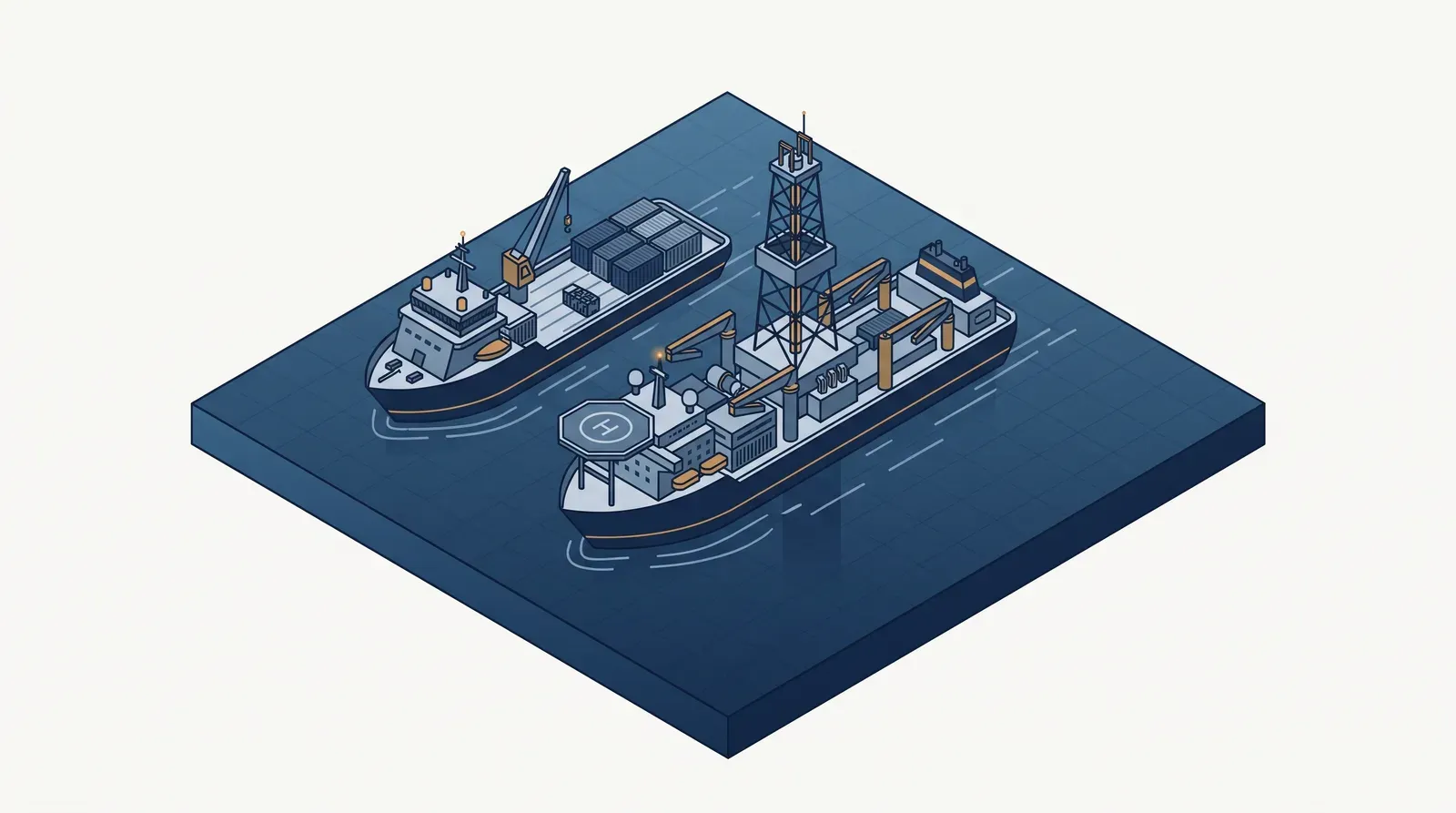
All News Rigzone · May 27, 2026 (May 27) · 1 min read Eni, Baleine Partners Approve Phase 3 of Ivorian Project ENI S.p.A. Illustration: ENI S.p.A. Read on Rigzone Share: More on ENI S.p.A. Full profile: ENI S.p.A. Christodoulides eyes April deal with ENI and Total for 2027 gas production President Christodoulides has publicly declared an ambitious goal to secure an agreement with ENI and TotalEnergies by April, targeting initial natural gas production from Cyprus's offshore fields by 2027. This statement highlights the government's intensified commitment to expedite the commercialization of its hydrocarbon reserves and position Cyprus as a key energy player. Cyprus Mail · April 8, 2026 Eni Exits Consortium for Oil and Gas Exploration Offshore Israel Italian energy major Eni has opted to withdraw from a consortium bidding for new offshore natural gas exploration licenses in Israel. This decision suggests a strategic re-evaluation of its East Mediterranean portfolio, potentially signaling a shift towards concentrating capital on existing, more advanced development projects rather than pursuing new, early-stage exploration ventures in the region. Offshore Engineer · March 27, 2026 Cyprus and ENI in race to sign gas deal before end-of-March Egypt forum In-Cyprus · February 27, 2026 Eni Announces 2 Tcf Gas Find Offshore Egypt Rigzone · April 14, 2026 Eni Completes Acea Acquisitions Rigzone · April 14, 2026 Eni Invests $70MM in Canadian Battery Feedstock Project Rigzone · April 13, 2026 View all news → ← Previous NOG to acquire 25% Duvernay light oil stake for $253m Next → New episode: Glut or shortage – what lies ahead for LNG?