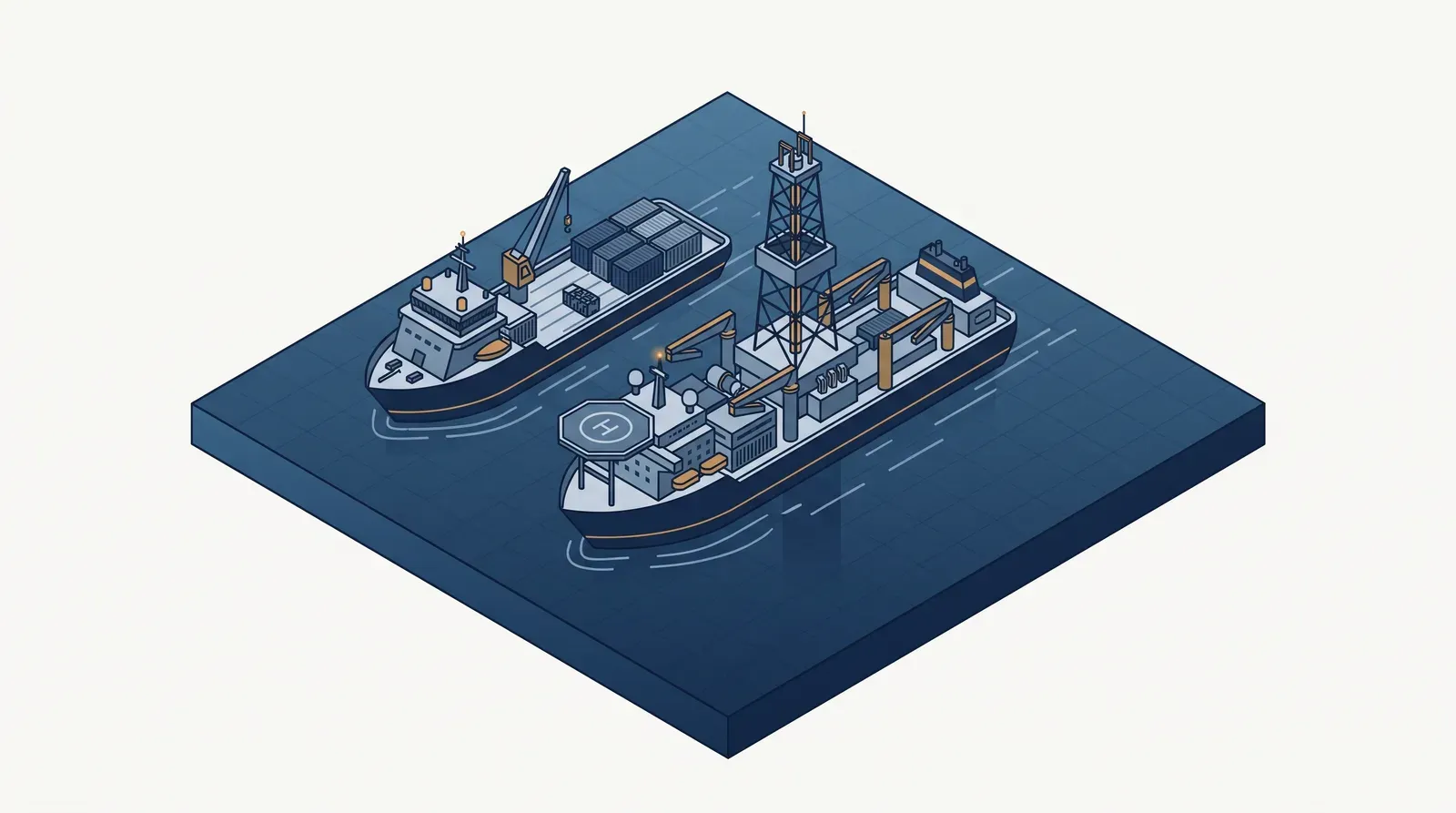
All News Cyprus Mail · July 5, 2026 (Jul 5) · 1 min read ExxonMobil’s East Med strategy enters a new phase ExxonMobil Glaucus Illustration: ExxonMobil Read on Cyprus Mail Share: More on ExxonMobil Full profile: ExxonMobil The landscape is changing in Cyprus’ exclusive economic zone The formalization of a tradability statement between Cyprus, ExxonMobil, and QatarEnergy for the Glaucus and Pegasus fields marks a pivotal shift from speculative exploration to commercial structuring in Block 10. This agreement establishes the legal and commercial framework necessary to market and eventually monetize these deepwater gas discoveries. By securing this alignment, the consortium and the Cypriot government are laying the groundwork for infrastructure investment decisions in a highly contested geopolitical corridor. In-Cyprus · July 3, 2026 ExxonMobil eyes 2033 production start at Cyprus gas fields The declaration of commerciality for the Glaucus and Pegasus fields marks Cyprus's transition from a hopeful exploration frontier to an active development play. By locking in ExxonMobil and QatarEnergy for a targeted 2033 production timeline, Nicosia secures long-term commitment from two of the world's most capable LNG players. This development shifts the regional narrative from speculative resource estimates to concrete infrastructure planning and monetization strategies. In-Cyprus · June 30, 2026 QatarEnergy, ExxonMobil Declare Cyprus Gas Discoveries Commercial Offshore Engineer · June 30, 2026 Cypriot gas fields declared ‘marketable’ by energy giants Cyprus Mail · June 30, 2026 ExxonMobil and QatarEnergy declare Glaucus and Pegasus gas fields commercially viable In-Cyprus · April 4, 2026 Exxon, QatarEnergy sign Egypt MoU for Cyprus natgas Financial Mirror · May 26, 2026 View all news → ← Previous Our View: Time for government to put politics aside and ensure energy supply Next → Santos Secures 10-Year Deal to Supply Gas to South Australia