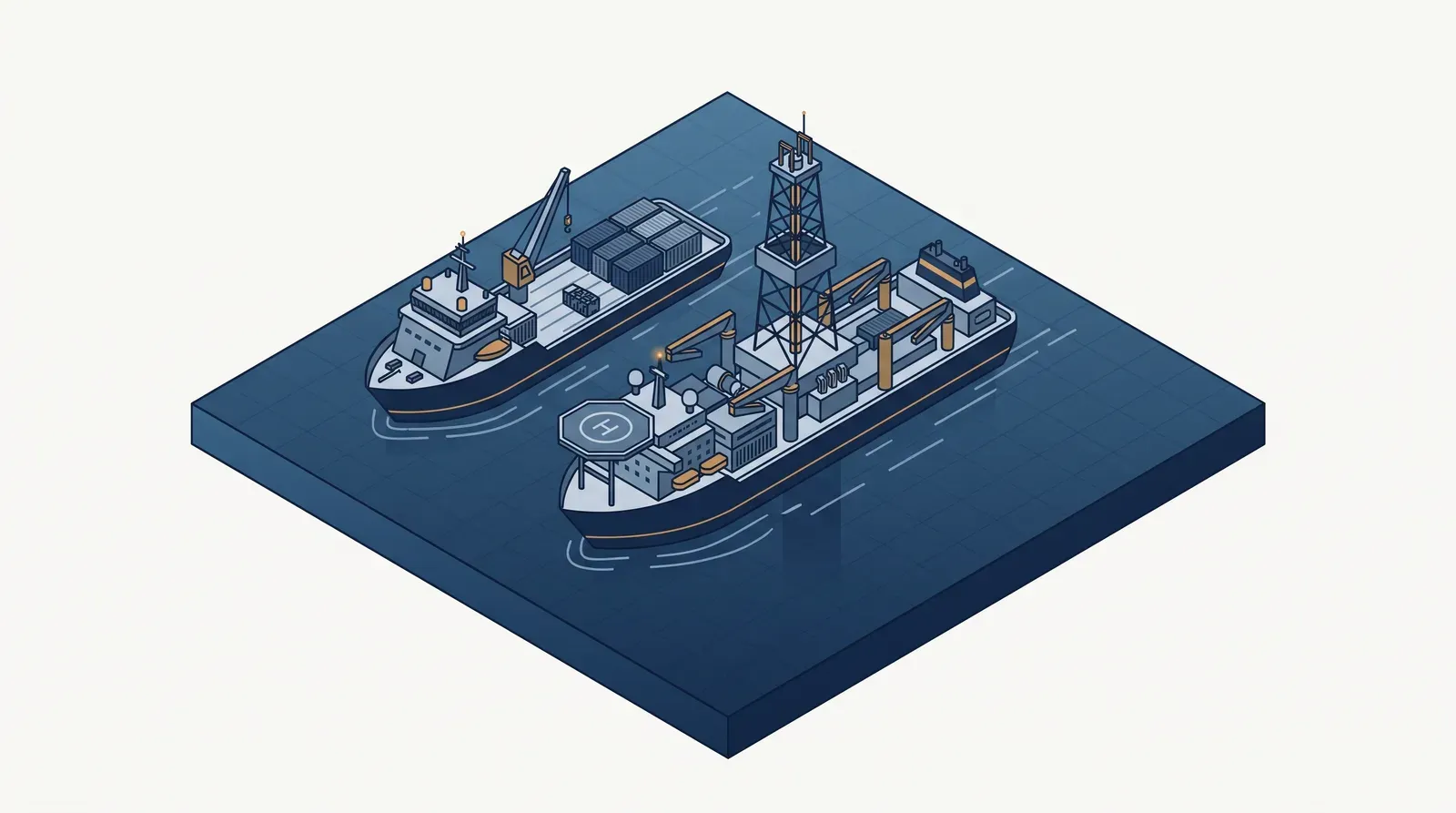
All News OilPrice · June 17, 2026 (Jun 17) · 1 min read How the Oil Sands Became the Lowest-Cost North American Producer Chevron Corporation TotalEnergies SE Illustration: Chevron Corporation Read on OilPrice Share: More on Chevron Corporation Full profile: Chevron Corporation Big Oil’s offshore drilling plans spotlight West Africa’s deepwater hydrocarbon potential Supermajors TotalEnergies and Chevron are advancing plans to launch new exploration and appraisal drilling campaigns in Nigeria's deepwater acreage, underscoring renewed investor interest in West Africa's offshore potential. This resurgence of upstream activity highlights how fiscal reforms and stabilizing regulatory frameworks can re-attract capital from international oil companies (IOCs) seeking low-cost, high-margin barrels. The planned campaigns reflect a strategic push by global operators to replenish declining reserves and leverage existing offshore infrastructure to optimize production economics. Offshore Energy · May 14, 2026 Cyclone Causes Outages at Australia’s Top LNG Projects A recent cyclone in Australia has caused significant operational disruptions across three major liquefied natural gas (LNG) facilities, including key projects operated by Chevron and Santos. This unexpected outage from a top global supplier is exacerbating an already tight international LNG market, further straining global supply chains and potentially driving up spot prices. OilPrice.com · March 27, 2026 Oil Companies Snap Up West African Blocks in Search for Next Big Thing Offshore Engineer · February 4, 2026 Suriname's Oil Boom Faces Economic Headwinds Despite Major Discovery OilPrice.com · February 16, 2026 Chevron-Led Joint Venture Signs Major Gas Exploration Deal Offshore Greece OilPrice.com · February 16, 2026 Reservoirs remain critical at 13.8 per cent full Cyprus Mail · February 11, 2026 View all news → ← Previous Kazakhstan Bets $10 Billion on AI With Nvidia-Backed Data Center Valley Next → Crude Stabilizes After Sharp Selloff