- How will natural gas from the Cronos field reach European consumers?
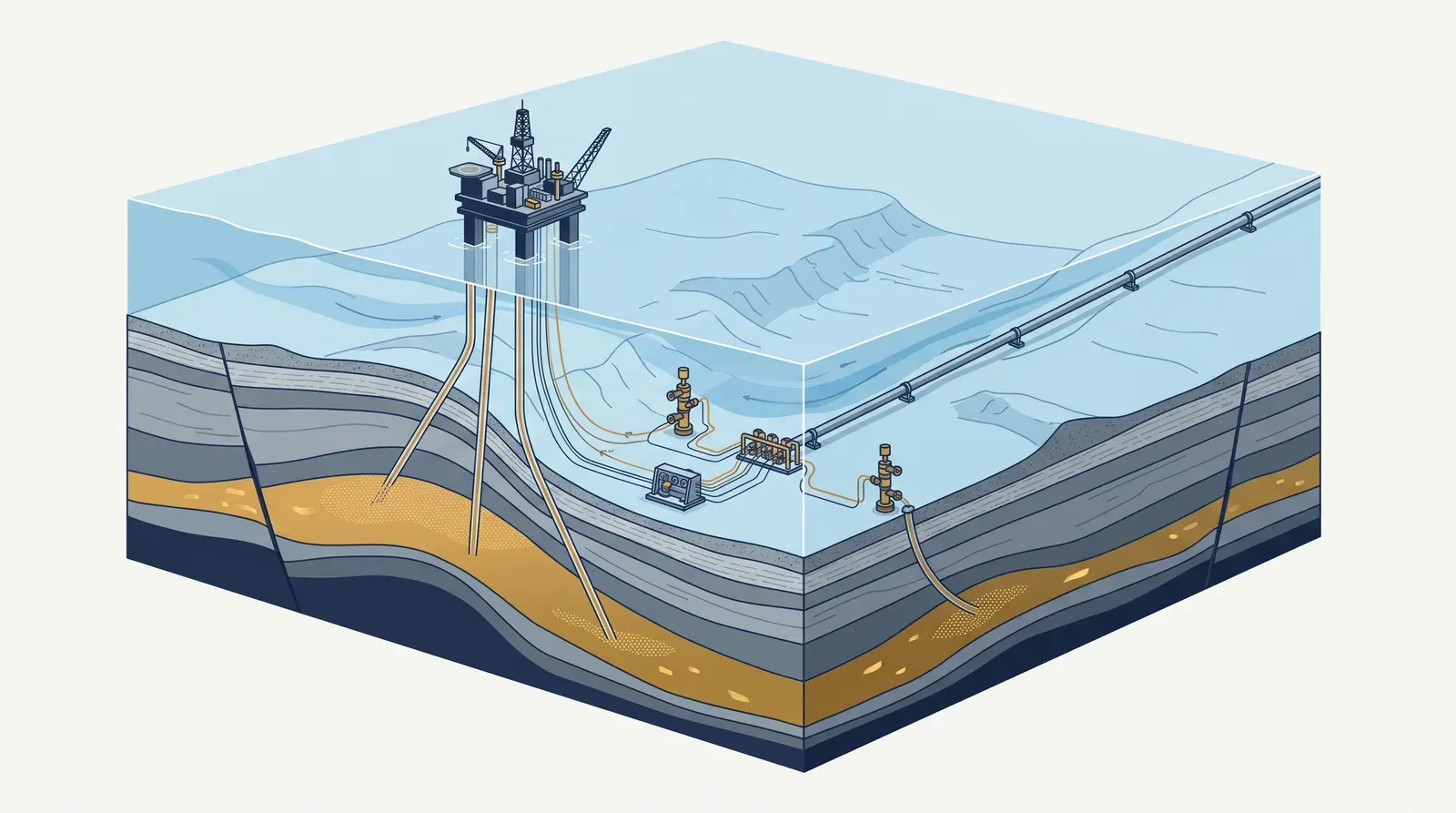
- Cronos gas will be extracted from offshore Cyprus and transported via an undersea pipeline to existing Egyptian liquefaction facilities at Idku or Damietta. Once converted to LNG, the fuel will be shipped across the Mediterranean to Greek import infrastructure, such as the Revithoussa or Alexandroupolis FSRUs, for regional distribution.
- Why use Egyptian LNG infrastructure instead of building a direct EastMed pipeline?
- Utilizing Egypt's existing coastal liquefaction terminals drastically reduces upstream capital expenditures and slashes project development timelines compared to constructing an expensive 1,900-kilometer subsea pipeline. This pragmatic approach minimizes commercial risk for operators while bypassing complex maritime boundary disputes in the region.
- What primary hurdles remain before first gas can flow in 2028?
- The project must finalize commercial gas-sales agreements, agree on transit tariffs with Egyptian infrastructure owners, and secure a binding Final Investment Decision from Eni and TotalEnergies. Additionally, offshore pipeline engineering, procurement, and construction must proceed without supply chain or geopolitical delays.